What Is Ranthambore Most Famous


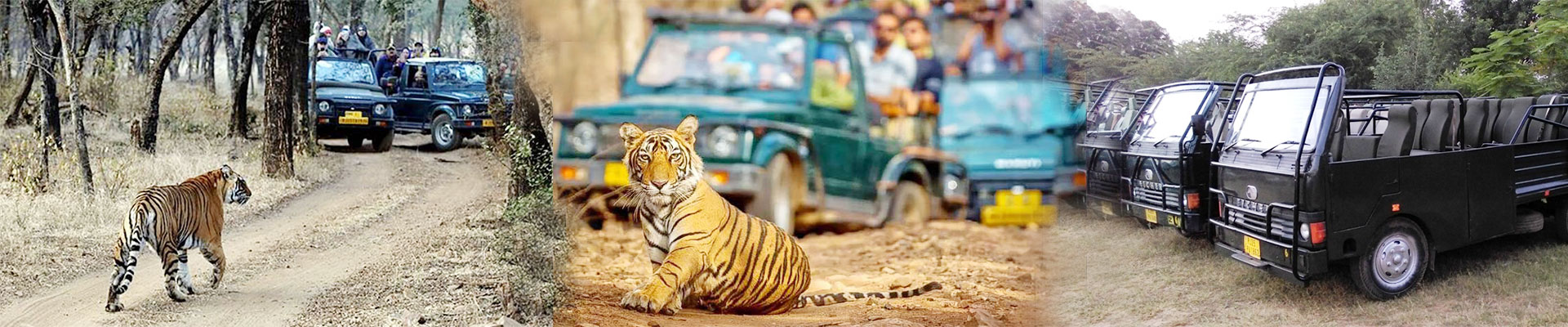
Ranthambore is one of the most popular wildlife tourism destinations in Rajasthan, India. Known for its magnificent Bengal tigers, beautiful forests, historic forts, ancient temples, and peaceful natural surroundings, Ranthambore attracts wildlife enthusiasts, photographers, families, couples, and adventure seekers from across the country and around the world. Located near Sawai Madhopur, this destination offers a wonderful combination of wildlife experiences, historical attractions, and Rajasthani culture.
The main attraction of Ranthambore is **Ranthambore National Park**, a renowned tiger reserve where visitors can explore the forest on guided jeep and canter safaris. Beyond wildlife, the region is home to Ranthambore Fort, Trinetra Ganesh Temple, scenic lakes, and several interesting places for nature lovers.
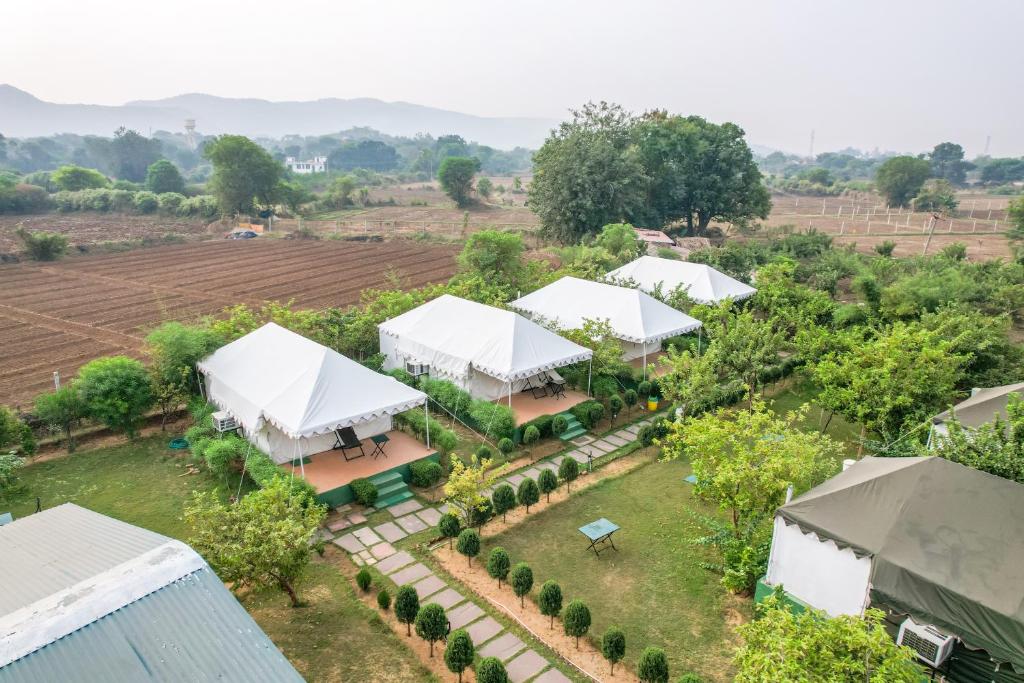
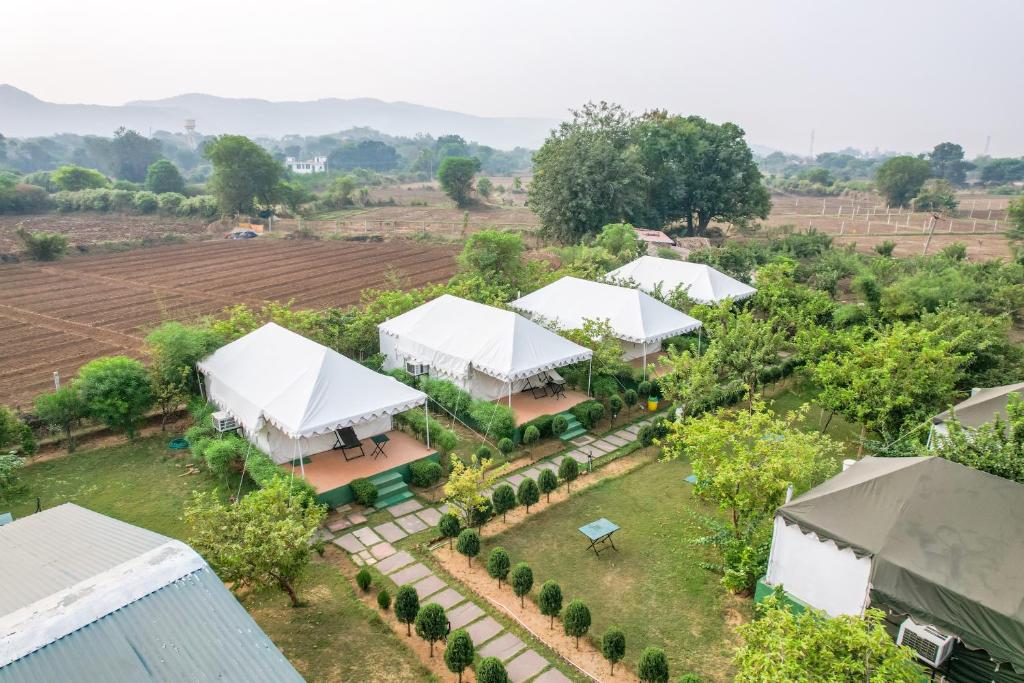
If you are planning a memorable trip to Rajasthan, Ranthambore is an excellent destination to include in your travel itinerary. With comfortable accommodation, exciting safari experiences, and opportunities to explore local attractions, Jungle Resort Ranthambore can be part of a relaxing and enjoyable wildlife holiday.
What Is Ranthambore Most Famous For?
1. Bengal Tigers and Wildlife Safari
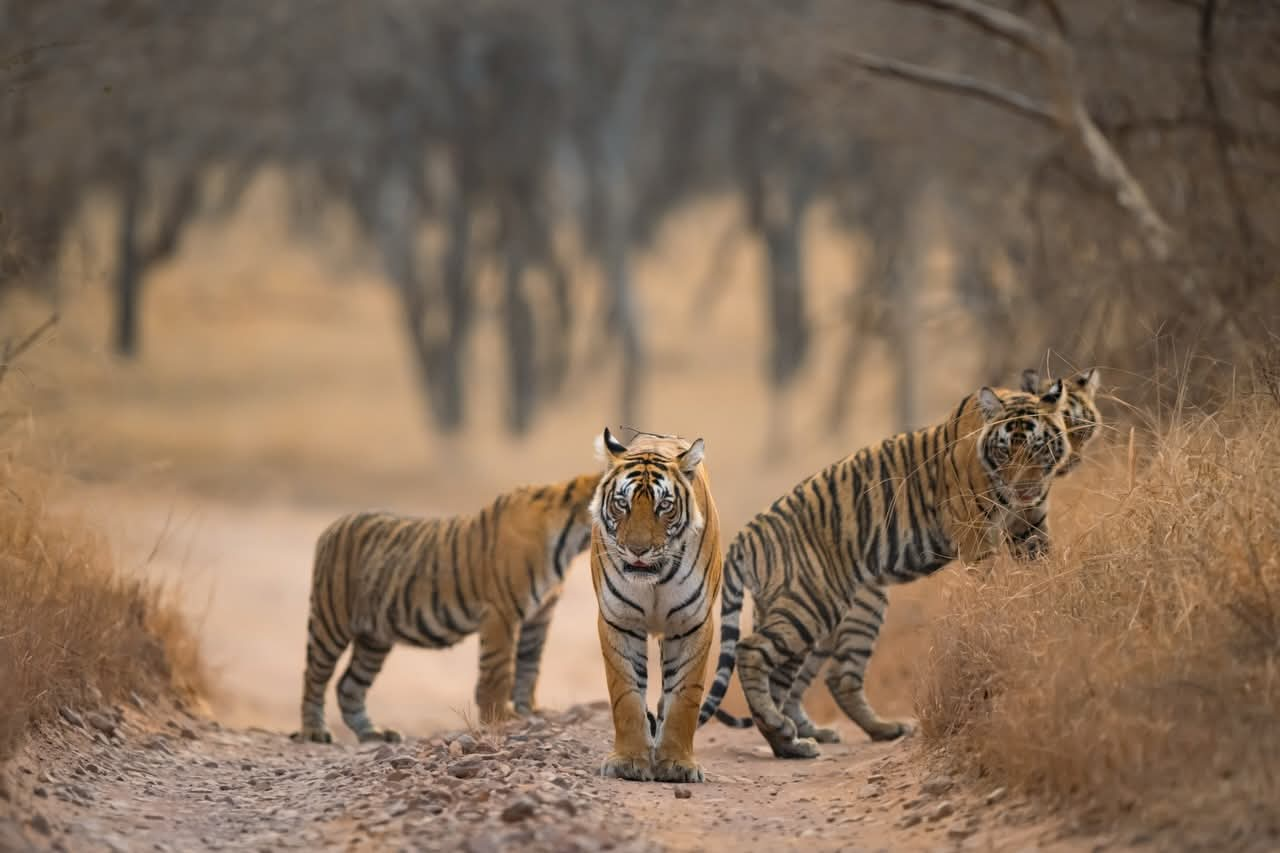
Ranthambore is especially famous for its Bengal tigers and exciting wildlife safari experiences. The national park provides an opportunity to observe wildlife in its natural habitat, making it a popular destination for nature lovers and wildlife photographers.
During a safari, visitors may encounter tigers, leopards, sloth bears, striped hyenas, sambar deer, spotted deer, nilgai, crocodiles, and numerous bird species. However, wildlife sightings are never guaranteed, and every safari offers a different experience.
The park's varied landscape includes dry deciduous forests, open grasslands, rocky hills, and water bodies. These habitats support a diverse range of wildlife and create beautiful scenery for photography.
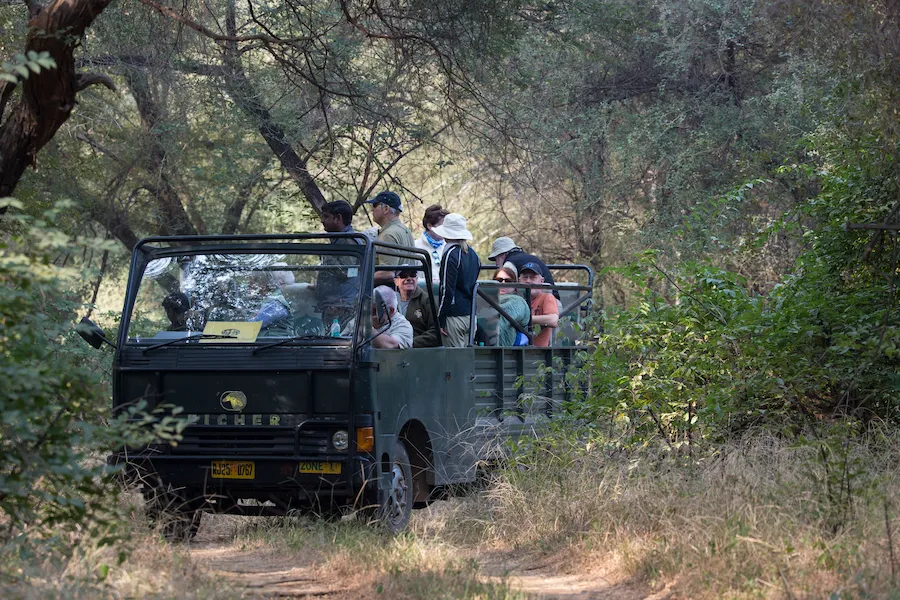
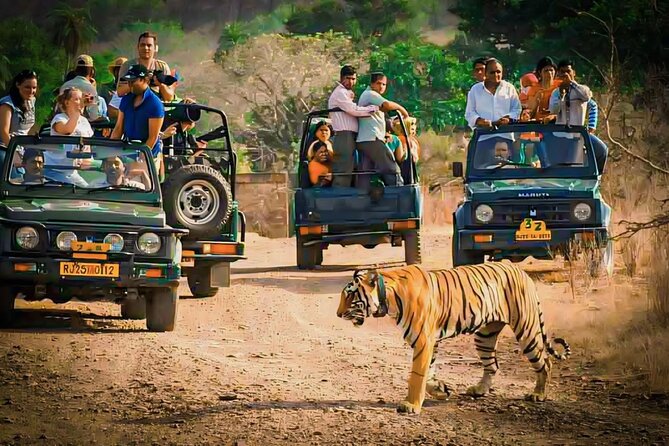
Visitors can choose between a jeep safari and a canter safari, subject to availability and applicable booking rules. A jeep generally accommodates up to six tourists, while a canter commonly accommodates up to 20 tourists, excluding the driver and guide. Actual arrangements depend on current park regulations.
For travelers looking for a comfortable stay near the wildlife destination, Jungle Resort Ranthambore can be considered when planning accommodation and safari-related travel arrangements.
2. Ranthambore National Park
Ranthambore National Park is the heart of the destination and one of Rajasthan's best-known wildlife attractions. The park is famous for its tiger population, forest landscapes, historical ruins, and scenic lakes.
The safari experience allows visitors to explore designated routes through the forest with authorized guides and drivers. Along the way, travelers can enjoy views of ancient trees, rocky terrain, water bodies, and animals living in the reserve.
The park is divided into multiple safari zones, each offering a different landscape and wildlife-viewing experience. Safari zones and routes are assigned according to the applicable booking system and park regulations, so travelers should check the latest rules before confirming their trip.
Early-morning and afternoon safaris are popular choices, although timings vary by season. Visitors should arrive at the designated reporting point on time and follow all instructions provided by park officials.
Ranthambore National Park is suitable for wildlife enthusiasts, families, photographers, and anyone interested in experiencing the natural beauty of Rajasthan.
3. Ranthambore Fort
Ranthambore Fort is another major attraction in the region. Situated on a hill within the broader protected landscape, the fort is known for its historic significance, impressive gateways, stone structures, and panoramic views of the surrounding forests.
The fort reflects the architectural heritage and military history of Rajasthan. Visitors can explore its old walls, temples, and historic remains while enjoying the surrounding scenery.
The elevated location provides opportunities for photography and offers a different perspective on the landscape around Ranthambore. History lovers and travelers interested in heritage tourism will find this attraction particularly rewarding.
The fort is also associated with the region's religious traditions, making it an important destination for both history enthusiasts and pilgrims.
Visitors should allow enough time to explore the site comfortably and check local access conditions before traveling.
Best Places to Visit in Ranthambore
Ranthambore offers much more than tiger safaris. The following attractions can help travelers create a well-rounded itinerary.
1. Ranthambore National Park
Ranthambore National Park should be the first choice for travelers interested in wildlife and nature. Its forests, lakes, hills, and grasslands create a memorable setting for guided safaris.
Visitors can look for tigers, deer, crocodiles, birds, and other wildlife while learning about the reserve's ecosystem. The experience is especially enjoyable for photographers who want to capture animals and landscapes in their natural surroundings.
Booking a safari in advance is advisable, particularly during busy holiday periods. Travelers should use authorized booking channels and confirm their reporting time, identification requirements, and permitted safari zone.
2. Ranthambore Fort
Ranthambore Fort is ideal for visitors who want to explore Rajasthan's rich history alongside its natural beauty. The fort's historic structures, temples, and hilltop setting make it an interesting addition to a wildlife-focused holiday.
Plan your visit during comfortable weather, carry drinking water, and wear suitable walking shoes. Some sections involve uneven surfaces and uphill walking, so visitors should consider their fitness and mobility needs.
3. Trinetra Ganesh Temple
Trinetra Ganesh Temple, located within the Ranthambore Fort complex, is one of the region's best-known religious attractions. Dedicated to Lord Ganesha, the temple attracts devotees from different parts of India.
Many visitors combine a visit to the temple with a trip to the fort. Its spiritual significance and historical setting make it an important stop for travelers interested in religious heritage.
The temple can be busy during festivals and special religious occasions. Visitors should respect local customs, follow temple guidelines, and check access arrangements before visiting.
4. Padam Talao
Padam Talao is one of the prominent lakes associated with Ranthambore National Park. Surrounded by forest and natural vegetation, it provides a scenic setting for wildlife viewing during authorized safari excursions.
The lake and its surrounding habitat may attract deer, birds, and other animals, depending on the season and conditions. It is also known for its picturesque landscape, making it an appealing location for nature photography.
Access to the lake is governed by park regulations, so visitors should explore it only through permitted routes and authorized activities.
5. Malik Talao
Malik Talao is another water body within the national park that contributes to the area's wildlife habitat. It is associated with birdlife and can sometimes provide opportunities to observe crocodiles and other animals.
The lake's surroundings offer a peaceful natural setting and demonstrate the importance of water sources in a dry forest ecosystem.
Wildlife sightings vary, and visitors should never expect a particular animal to appear at a specific location. The best approach is to enjoy the overall safari experience and appreciate the park's biodiversity.
6. Raj Bagh Ruins
Raj Bagh Ruins are among the distinctive historical features found within Ranthambore National Park. The remains of old stone structures, arches, and walls create a striking contrast with the surrounding forest.
These ruins reflect the historical connections between the region's architecture and its natural environment. During a permitted safari, visitors may see the remains set against lakes, trees, and rocky terrain.
The area is particularly attractive to photographers interested in combining wildlife, landscape, and heritage photography.
7. Kachida Valley
Kachida Valley is known for its rocky landscape, hills, and forest surroundings. It is one of the areas associated with wildlife viewing within the broader Ranthambore landscape.
The valley is sometimes linked with leopard sightings, although seeing a leopard is never guaranteed. Its natural terrain and rugged scenery make it an interesting part of the reserve for visitors who appreciate less-developed wilderness landscapes.
Access depends on the designated safari routes and current park regulations.
8. Surwal Lake
Surwal Lake, located outside the main national park area near Sawai Madhopur, is known as a seasonal destination for birdwatching. During suitable conditions, especially in the cooler months, the lake and its surroundings may attract migratory and resident birds.
Birdwatchers and nature photographers can enjoy observing the local avifauna while appreciating the quieter rural landscape.
Water levels and bird activity change throughout the year, so the experience depends on the season. Visitors should check local conditions before planning a dedicated trip to the lake.
9. Rajiv Gandhi Regional Museum of Natural History
The Rajiv Gandhi Regional Museum of Natural History near Sawai Madhopur offers educational exhibits related to biodiversity, wildlife, and environmental conservation.
It can be an interesting stop for families, students, and visitors who want to learn more about India's natural heritage. A museum visit can also complement a safari by helping travelers understand ecosystems, wildlife protection, and conservation challenges.
Check current opening hours and visitor arrangements before including the museum in your itinerary.
10. Local Markets of Sawai Madhopur
The local markets of Sawai Madhopur provide an opportunity to experience the region's everyday culture and shopping traditions. Visitors may find handicrafts, textiles, souvenirs, traditional items, and locally available products.
Exploring the markets can be a pleasant activity after a morning safari or before returning to your accommodation. Travelers interested in Rajasthan's culture can also sample local food at suitable establishments.
When shopping, compare prices and choose products from reputable sellers.
Why Is Ranthambore a Great Destination for Families and Couples?
Ranthambore appeals to different types of travelers because it combines outdoor adventure, heritage, nature, and relaxation.
Families can introduce children to wildlife and conservation through an authorized safari and educational visits. Couples can enjoy peaceful resort surroundings, scenic landscapes, and memorable excursions. Photography enthusiasts can capture the forest, birds, historic ruins, and changing light across the landscape.
The destination also works well for small groups, friends, and travelers interested in combining a wildlife holiday with a cultural tour of Rajasthan.
For a comfortable stay, Jungle Resort Ranthambore can be included in your accommodation research. Travelers should compare room facilities, location, dining options, guest reviews, and transport arrangements before making a booking.
Best Time to Visit Ranthambore
The best time to visit Ranthambore depends on your interests, preferred weather, and travel plans.
October to March: These months generally offer more comfortable weather for sightseeing, heritage visits, and outdoor activities. Birdwatching can also be rewarding during the cooler season, depending on local conditions.
April to June: These months are usually hotter, with high daytime temperatures. Some visitors choose this period for wildlife safaris, but heat can be intense, so hydration, suitable clothing, and careful planning are essential.
Monsoon season: Park access and safari operations can be restricted during the monsoon, and certain routes or zones may close according to official rules. Confirm current operating dates before booking.
The park's operating schedule, safari availability, and access conditions can change. Always verify current information through authorized sources.
How to Reach Ranthambore
Ranthambore is located near Sawai Madhopur in Rajasthan and is accessible by rail, road, and air connections through nearby cities.
By train: Sawai Madhopur Railway Station is the principal railway station for visitors traveling to Ranthambore. It is connected to several major Indian cities, although routes and schedules depend on the date of travel.
By road: Travelers can reach Sawai Madhopur by car, taxi, or bus from various cities in Rajasthan and nearby states. Road travel time depends on the starting point and traffic conditions.
By air: Jaipur International Airport is a commonly used airport for travelers visiting Ranthambore. From Jaipur, visitors can continue to Sawai Madhopur by road or rail, depending on their itinerary.
It is useful to arrange local transportation in advance, especially when coordinating hotel check-in with safari reporting times.
Where to Stay in Ranthambore
Choosing the right accommodation is an important part of planning a wildlife holiday. Travelers can choose from hotels, guesthouses, lodges, and resorts around the Ranthambore and Sawai Madhopur area.
When selecting a property, consider its distance from your safari reporting point, room facilities, cleanliness, food options, parking, transport support, and suitability for families or groups.
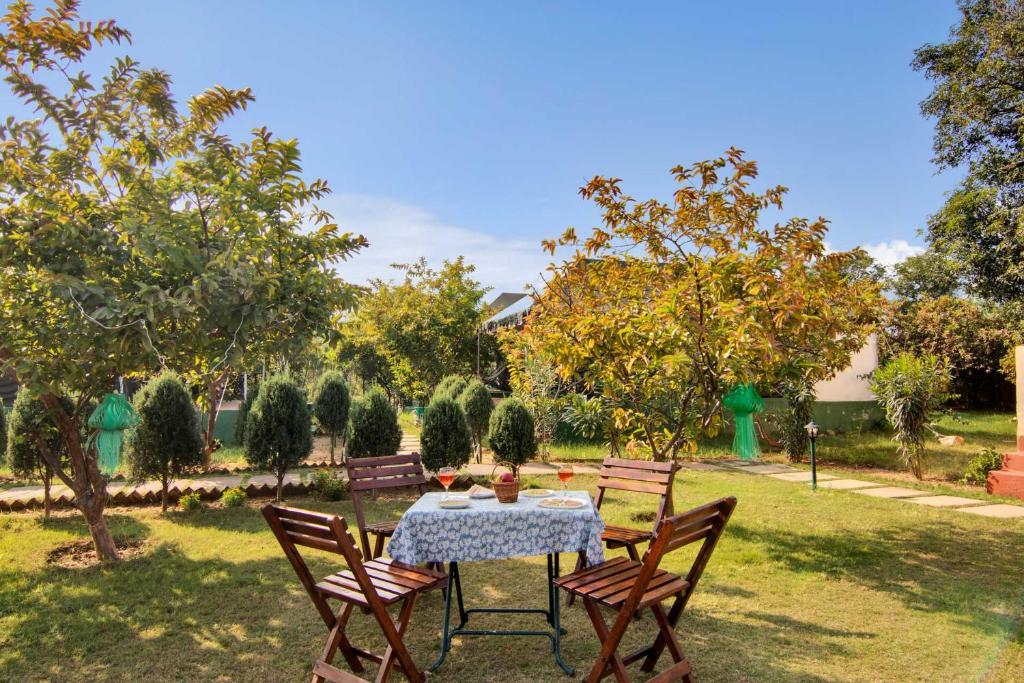
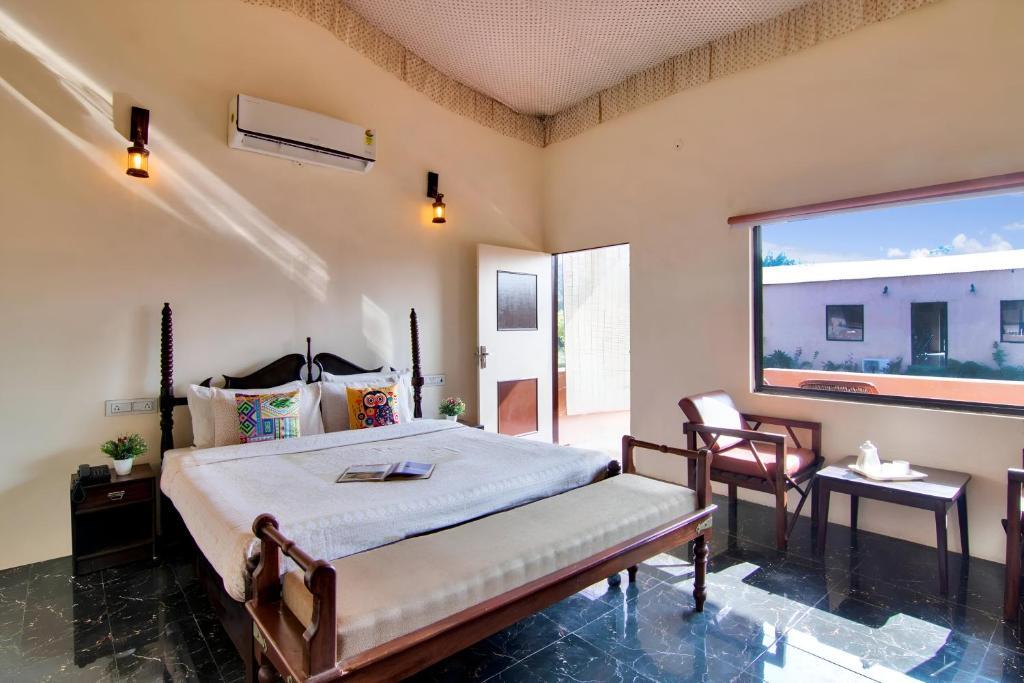
Jungle Resort Ranthambore can be considered when researching accommodation for your trip. A well-planned stay allows travelers to balance early-morning safari schedules with relaxation, meals, and visits to nearby attractions.
Before confirming a reservation, check the property's actual facilities, room categories, cancellation terms, and available services. Accommodation bookings and national park safari permits are separate arrangements unless a clearly specified package states otherwise.
Travel Tips for Visiting Ranthambore
To make your trip comfortable and enjoyable, keep these practical suggestions in mind:
- Book your safari through an authorized channel and check availability early.
- Carry valid identification and follow the instructions provided with your permit.
- Wear comfortable, weather-appropriate clothing and walking shoes.
- Carry drinking water and sun protection when appropriate.
- Follow your guide's instructions throughout the safari.
- Never feed, approach, or disturb wild animals.
- Avoid loud noises and follow photography rules.
- Allow enough time between safari reporting and hotel transfers.
- Confirm attraction opening times and access conditions before visiting.
- Respect the forest, historical monuments, and local religious customs.
Responsible travel helps protect wildlife and supports the long-term conservation of this remarkable destination.
Ranthambore is most famous for its Bengal tigers, exciting wildlife safaris, scenic forest landscapes, and historic Ranthambore Fort. However, the destination has many other attractions, including Trinetra Ganesh Temple, Padam Talao, Malik Talao, Raj Bagh Ruins, Kachida Valley, Surwal Lake, and the cultural experiences available in Sawai Madhopur.
Whether you are planning a family holiday, a romantic getaway, a photography trip, or an adventure-filled wildlife vacation, Ranthambore offers a rewarding mix of nature, heritage, and relaxation.
Jungle Resort Ranthambore can be part of your travel planning when you are exploring accommodation options for your visit. By arranging your stay, transport, and safari plans carefully, you can enjoy a more organized and memorable experience in one of Rajasthan's most celebrated wildlife destinations.
Contact Us
 Ranthambhore Rd, opposite to Maharaja Palace, Sawai Madhopur, Rajasthan 322001
Follow Us